
The Boxes We Build
Three-part investigative series · First Place, Health Reporting (Rural), Nevada Press Association
An investigative series examining what long-term solitary confinement does to the people subjected to it—and what our reliance on extreme isolation reveals about how we understand punishment, rehabilitation, and justice. the series was
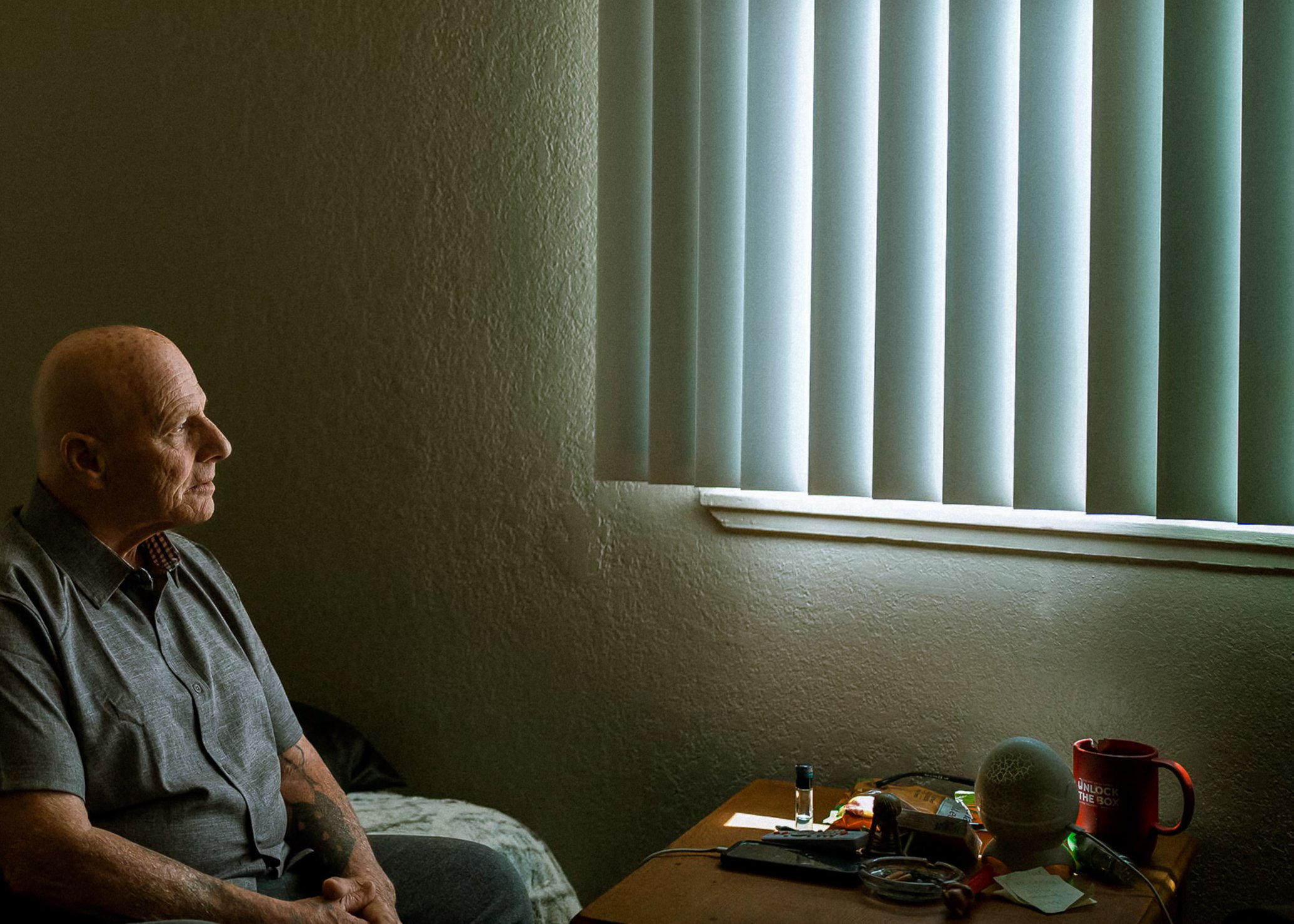
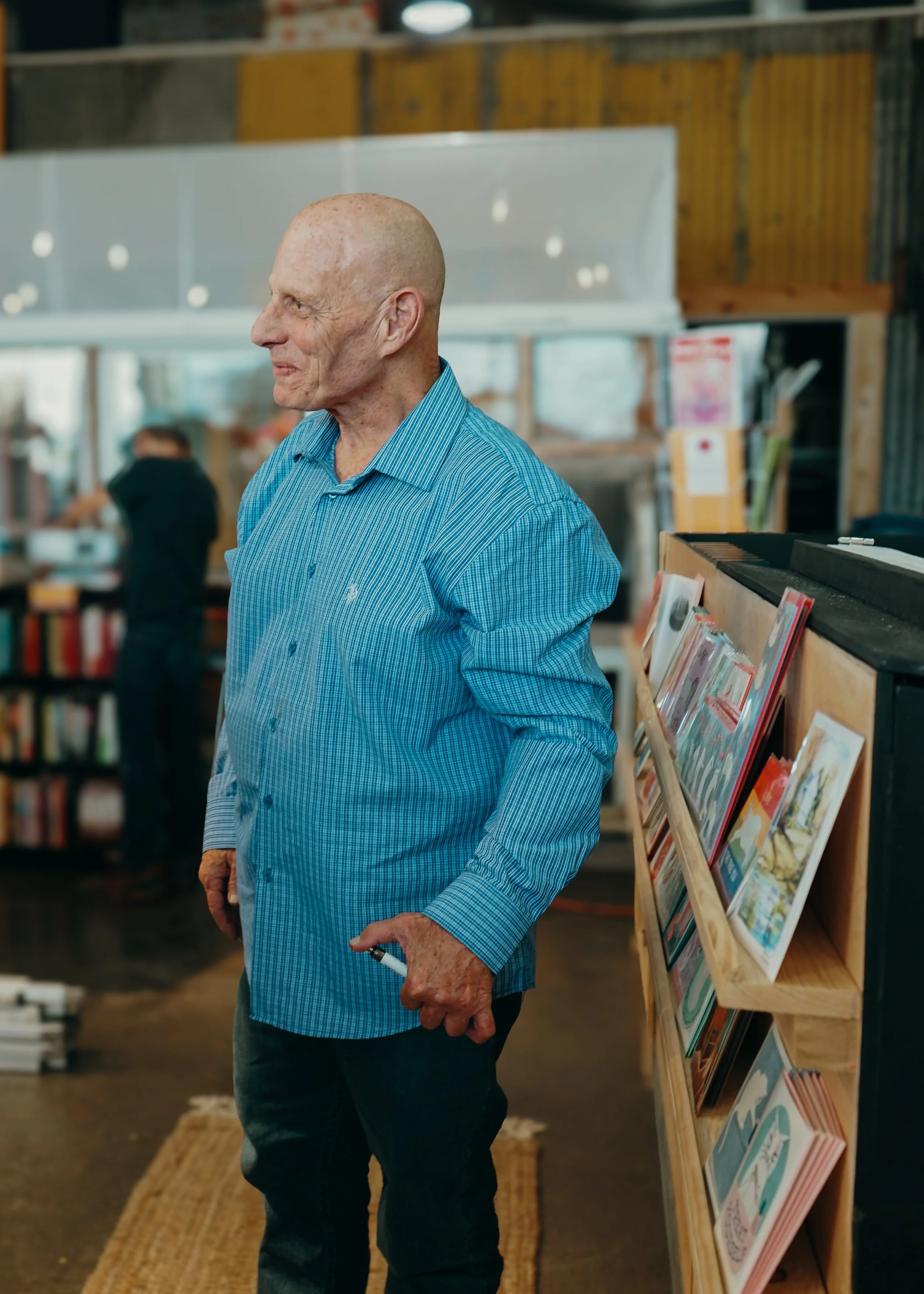
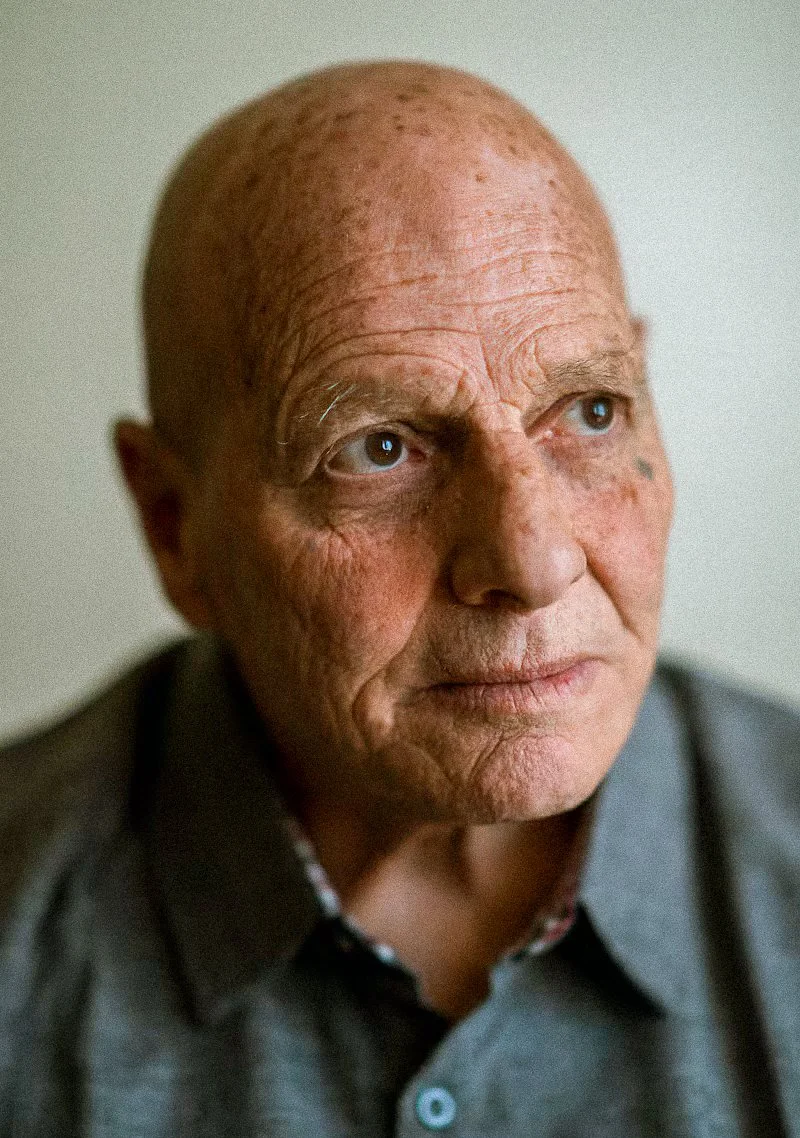
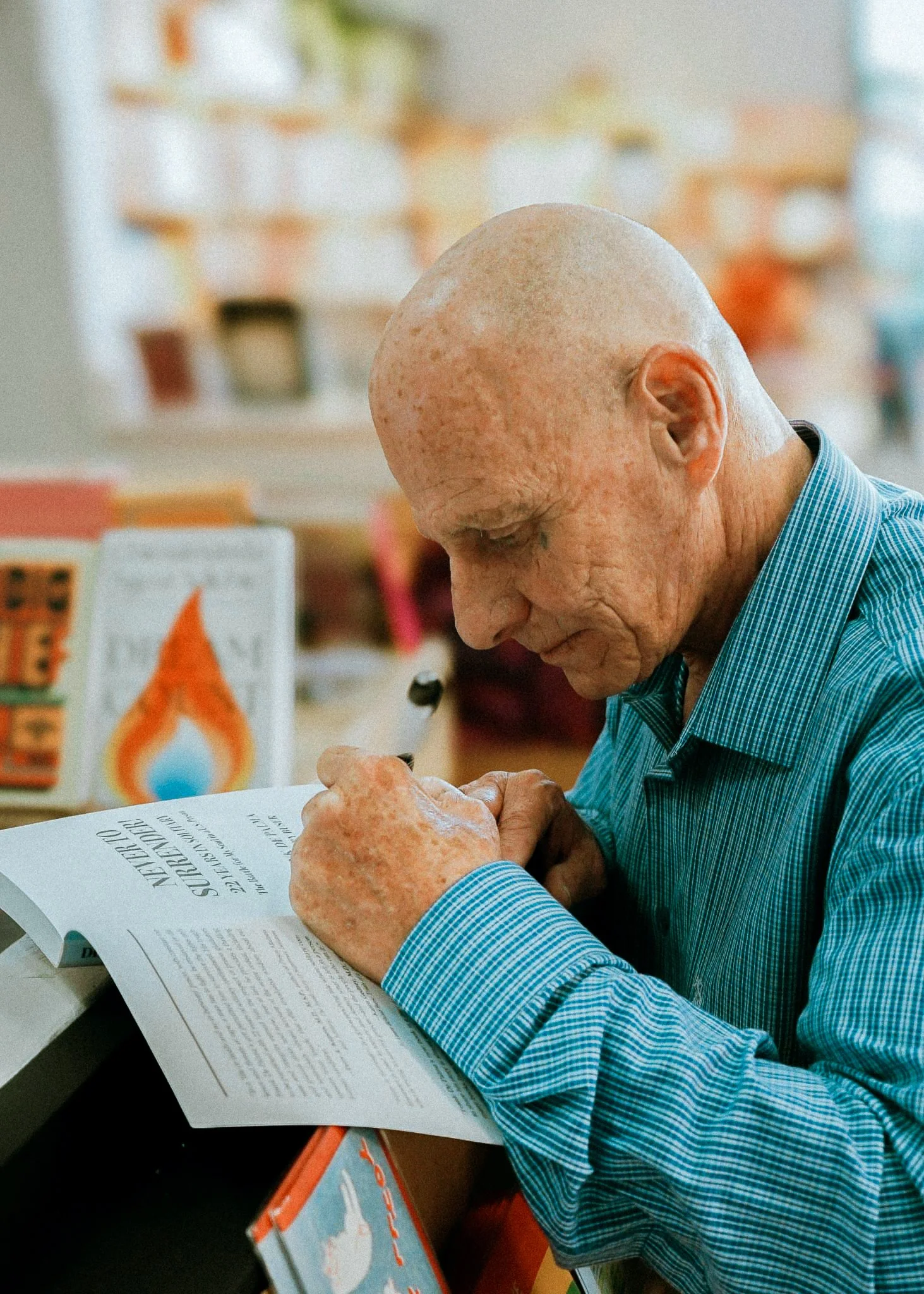
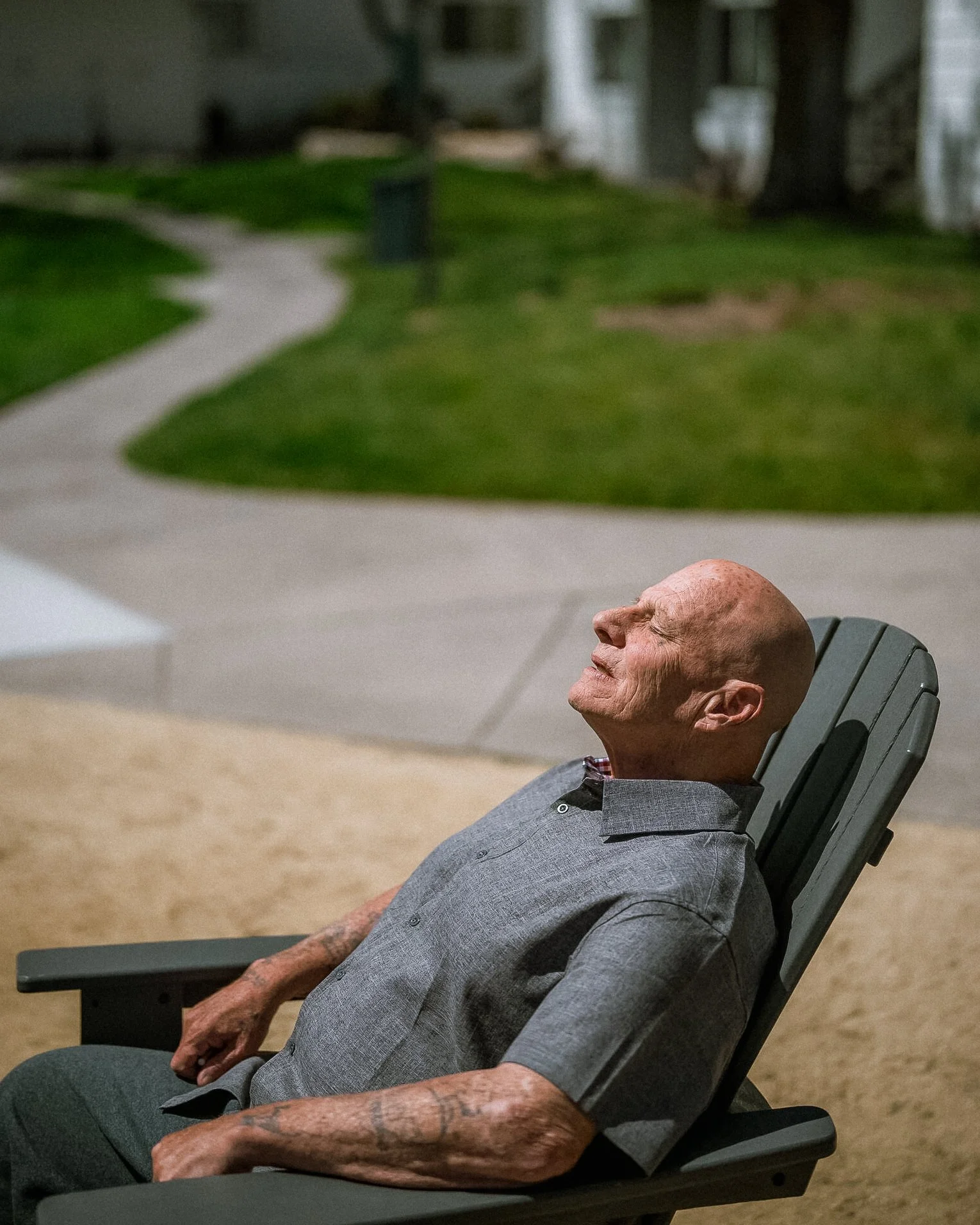
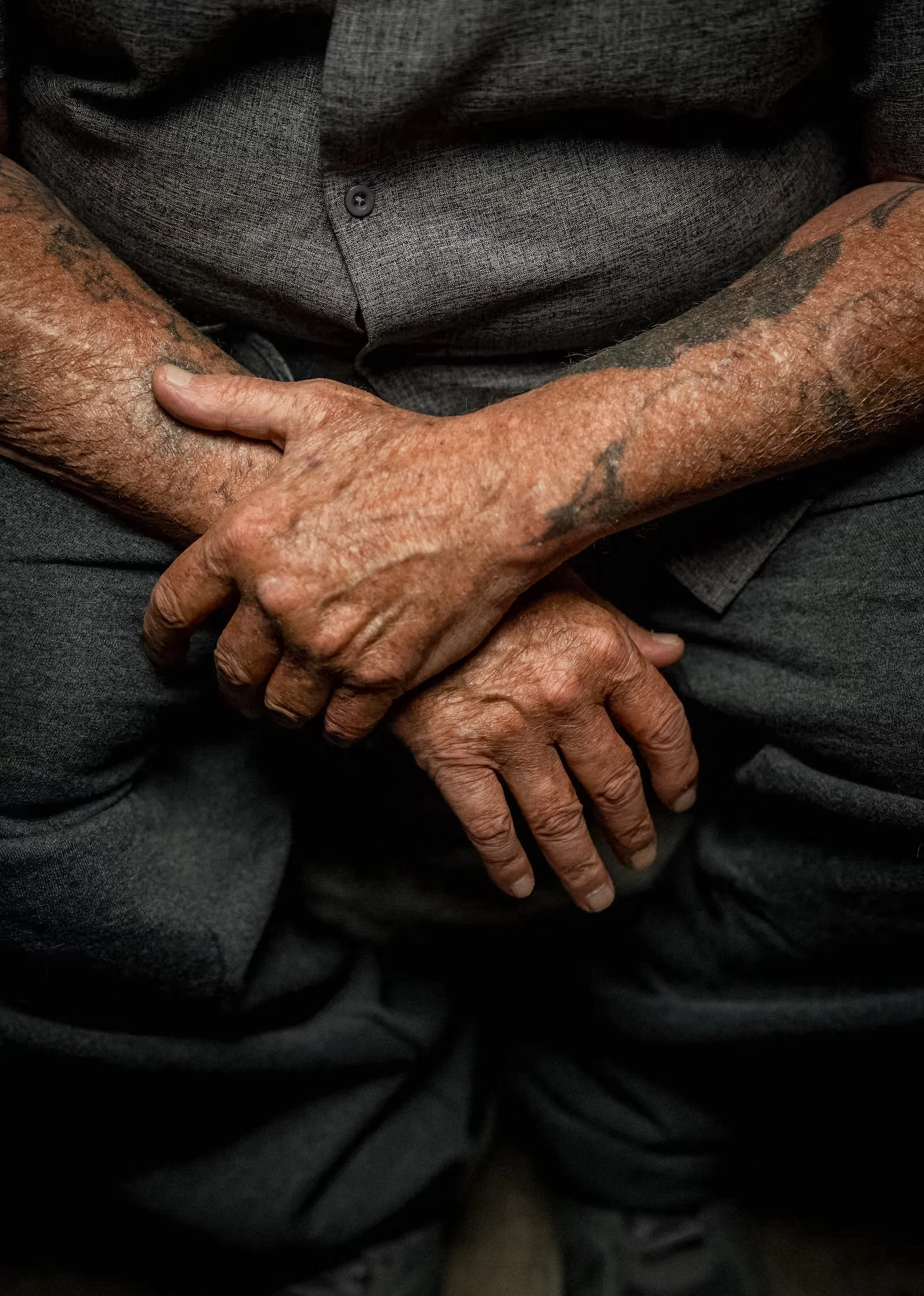
Frank spent 22 years and 36 days in solitary confinement at Ely State Prison.
Since his release, he’s become an advocate for prison reform. More recently, he welcomed me into his home and generously answered my endless questions as I report a long-form investigative series on solitary confinement.
His experience offers a window into a uniquely American practice. The United States relies on long-term solitary confinement on a scale unmatched by any other country. In 2014, the United Nations Special Rapporteur on Torture called for a prohibition on prolonged solitary confinement, identifying it as a form of torture. Yet tens of thousands of people in the United States remain in solitary confinement on any given day.
The series examines not only the psychological consequences of prolonged isolation, but also the policies, institutional assumptions and broader attitudes toward punishment that sustain its use. Research has consistently documented the psychological harms of prolonged isolation, raising questions about what solitary confinement actually accomplishes. Rather than rehabilitating people, does it leave them less equipped to return to society? And when people struggle to readjust or reoffend after years in isolation, where does responsibility lie—with the individual, or with the system that confined them?
Frank's story is remarkable, but it is not singular. His experience provides a way into a larger examination of a correctional practice that often leaves those subjected to it with little opportunity to tell their stories. Through his account, the series considers what prolonged isolation takes from a person, what remains, and what our reliance on it reveals about how we understand punishment, rehabilitation and human connection.
The published stories: